Everest
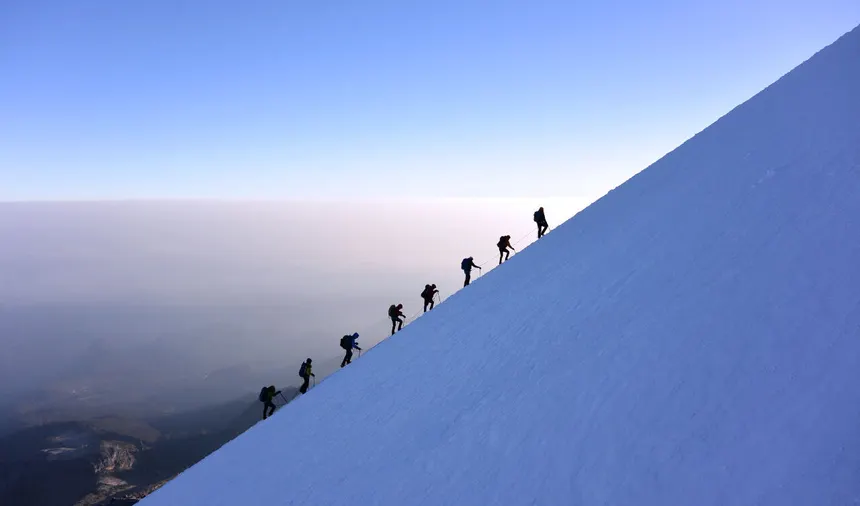
Mount Everest, known as Sagarmatha in Nepali and Chomolungma in Tibetan, is the highest peak on Earth, standing tall at 8,848.86 meters (29,031.7 feet) above sea level. Located in the Himalayas on the border between Nepal and the Tibet Autonomous Region of China, Everest has captured the hearts and imaginations of adventurers, explorers, and nature lovers for centuries. But Everest is more than just a towering mountain—it’s a symbol of human determination, courage, and the spirit of adventure.
1. The Majesty of Mount Everest
At the heart of the Himalayas, Everest reigns supreme, towering over its neighbors with an intimidating yet awe-inspiring presence. The mountain’s sheer size and beauty are unrivaled, and it offers some of the most breathtaking views in the world. For those fortunate enough to witness Everest in person, it’s a moment that stays with them forever.
2. Trekking to Everest Base Camp: A Dream for Adventurers
While summiting Mount Everest is the ultimate goal for many climbers, reaching Everest Base Camp (EBC) is a dream that can be realized by trekkers of all experience levels. The trek to EBC is one of the most popular in the world and offers a thrilling journey through Nepal’s Khumbu region. The route passes through Sherpa villages, ancient monasteries, and lush forests, with jaw-dropping views of Everest and its neighboring peaks like Lhotse, Makalu, and Cho Oyu.
3. The Everest Summit: A Monument to Human Achievement
Summiting Mount Everest is the ultimate challenge for climbers. Reaching the top of the world requires not only exceptional physical strength but also immense mental resilience. The climb involves navigating treacherous terrain, battling extreme cold, thin air, and unpredictable weather. Since Sir Edmund Hillary of New Zealand and Tenzing Norgay, a Sherpa of Nepal, first summited Everest in 1953, thousands have followed in their footsteps, though only a select few have succeeded.
Climbing Everest is one of the greatest feats of human endurance and skill, but it is not without its risks. The mountain has claimed many lives over the years, and each attempt is a testament to the climbers’ courage and dedication.
4. The Cultural Significance of Everest
For the Sherpa people who live in the Everest region, the mountain holds deep spiritual significance. In Sherpa culture, Everest is revered as the home of the gods, and many Sherpas consider it a sacred peak. The rituals, customs, and festivals of the Sherpa people highlight their profound connection to Everest and the surrounding mountains.
The famous Khumbu Icefall and Hillary Step are not just physical challenges on the mountain but places steeped in cultural and historical importance. The spiritual practices and beliefs of the people who live and work in the region play a major role in the experience of Everest for trekkers and climbers alike.
5. Everest and Climate Change
While Everest is a stunning symbol of nature’s power and beauty, it’s also a reminder of the challenges that face our planet. The effects of climate change are visible on the mountain, with glaciers melting and the landscape slowly changing. The increasing number of climbers and trekkers has also led to concerns about waste and environmental impact in the region. Many organizations are working on sustainable practices to preserve Everest’s natural beauty and maintain the mountain’s integrity for future generations.
6. Everest in Popular Culture
Everest’s towering presence has not only inspired adventurers but also captured the imagination of people around the world through books, documentaries, and movies. Films like Everest (2015), based on the true story of the 1996 Mount Everest disaster, have brought the mountain into the homes of millions of people. These stories, while often tragic, also highlight the extraordinary strength of the human spirit when faced with impossible odds.
7. Planning Your Everest Adventure
For those hoping to trek to Everest Base Camp or even climb to the summit, it’s essential to plan carefully. Depending on your journey, the trek to Base Camp takes about 12-14 days, and proper acclimatization is critical to avoid altitude sickness.
For climbers aiming to summit Everest, the process is much more complex and requires rigorous training, permits, and support from experienced guides and Sherpas. Climbers typically spend months preparing, with many requiring multiple attempts before finally reaching the summit.
Conclusion
Mount Everest is not just a mountain; it’s a symbol of the infinite possibilities that await those who dare to dream big and push their limits. Whether you’re trekking to Base Camp or aiming for the summit, the journey to Everest is one of the world’s greatest adventures. The mountain continues to challenge, inspire, and humble those who make the pilgrimage to this iconic peak. Everest is not just about conquering nature—it’s about understanding and respecting it, embracing the journey, and experiencing the beauty and strength of the natural world in its most majestic form.
[montagne]