Mount Logan
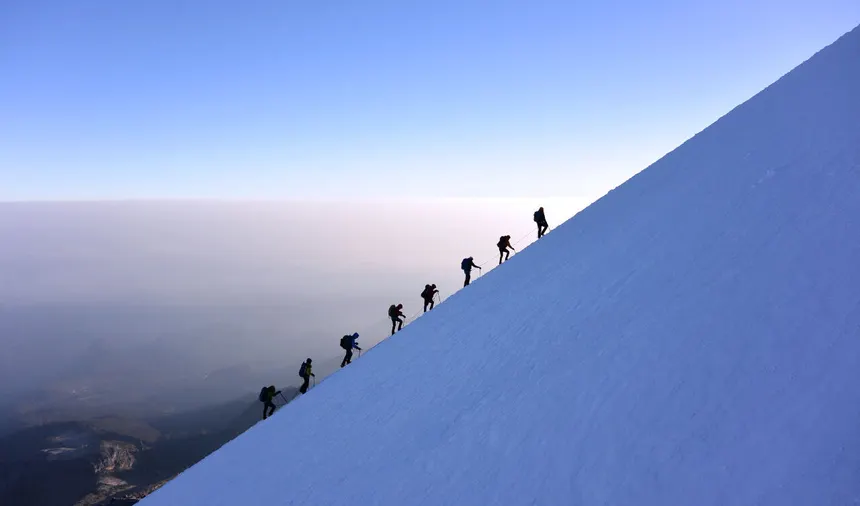
Mount Logan, located in the heart of the Saint Elias Mountains in the Yukon Territory of Canada, is not only the highest peak in Canada but also one of the most awe-inspiring and challenging mountains in North America. Standing at 5,959 meters (19,551 feet), Mount Logan’s towering presence and remote location make it a coveted destination for mountaineers and adventurers alike.
1. The Magnificence of Mount Logan
With its imposing glaciers, jagged ridgelines, and vast ice fields, Mount Logan is a true wilderness giant. It dominates the landscape, offering dramatic views of the surrounding rugged terrain. Unlike many of the world’s highest peaks, Logan is known for its massive size and sheer scale, making it not only the tallest mountain in Canada but also one of the most substantial in terms of volume.
The summit of Mount Logan is not only a triumph of elevation but also a peak of vast geological significance, formed through millions of years of tectonic shifts and glacial movements. The mountain’s grandeur attracts adventurers who seek both the beauty and the challenge of the wild north.
2. Climbing Mount Logan: A Test of Strength and Endurance
Climbing Mount Logan is a formidable challenge. Due to its location in the remote Yukon, the mountain is less crowded than other well-known peaks, but this isolation adds to the mountain’s mystique. Mount Logan is not just about altitude; it’s about endurance and technical skill.
The climb requires excellent preparation, as the mountain’s high latitude means extreme weather conditions, unpredictable winds, and cold temperatures. The standard route to the summit is via the King’s Trench, which is known for its glaciers, crevasses, and steep sections. Mountaineers need to be well-versed in glacier travel, ice climbing, and high-altitude techniques. The ascent typically takes several weeks, as climbers must acclimatize to the thinning air and cope with the physical demands of the climb.
3. The Significance of Mount Logan
Named after Sir William Edmond Logan, a Canadian geologist and founder of the Geological Survey of Canada, Mount Logan is a national symbol of Canada’s natural beauty and geological diversity. The mountain lies within Kluane National Park and Reserve, a UNESCO World Heritage Site recognized for its ecological significance.
The park and surrounding areas are home to an incredible variety of wildlife, including grizzly bears, caribou, and mountain goats, as well as many bird species. The region is also rich in glacial history, and the vast ice fields around Mount Logan are some of the largest in the world.
4. The Challenges of Mount Logan’s Remote Location
One of the defining features of Mount Logan is its location. It is situated in a remote part of the Yukon, far from any major cities or infrastructure. Climbers must travel to the nearest settlement, Haines Junction, before embarking on a multi-day journey into the wilderness. From there, climbers typically board small planes to reach a landing strip on the edge of the mountain’s glaciers.
This isolation adds a layer of difficulty to any expedition, as it requires thorough planning for logistics, supplies, and weather contingencies. The lack of accessible rescue services and the unpredictable conditions make climbing Mount Logan an even more intense and daring undertaking.
5. A Unique Landscape: Mount Logan and Its Glaciers
Mount Logan’s glaciers are among the most significant features of the mountain. The Logan Glacier, located on the east side of the peak, is one of the largest in North America. Its vast, icy expanse provides stunning views but also presents serious challenges for climbers due to crevasses and shifting ice.
Additionally, Mount Logan is home to numerous other glaciers, including the World’s End Glacier and the Columbia Icefield. These icefields are part of the larger Saint Elias Icefield, a region that contains one of the most expansive and wild glacial systems on Earth.
6. Conservation and Protection of Mount Logan
Mount Logan and its surrounding environment are protected as part of Kluane National Park and Reserve, ensuring that the mountain’s unique ecosystem and delicate landscape remain preserved for future generations. Conservation efforts focus on maintaining the health of the mountain’s glaciers and the surrounding wilderness, safeguarding this pristine environment from human impact.
In 1979, Kluane National Park and Reserve was designated a UNESCO World Heritage Site, not only for its geological importance but also for its biodiversity and untouched beauty. Efforts to reduce human impact, manage tourism, and maintain sustainable practices in the region are ongoing.
7. Planning an Expedition to Mount Logan
Climbing Mount Logan is not an adventure for beginners. Only seasoned mountaineers with experience in high-altitude climbs and glacier travel should attempt it. Preparation is key: climbers must train extensively, acquire proper gear, and ensure that they are physically and mentally ready for the grueling expedition.
For those interested in trekking near Mount Logan or exploring Kluane National Park, there are several hiking trails that offer incredible views of the mountains and glaciers. However, due to the extreme conditions, any attempt to summit Mount Logan requires specialized guides and a lengthy commitment.
Conclusion
Mount Logan stands as a monument to nature’s power, beauty, and grandeur. Its massive size, remote location, and treacherous conditions have earned it a place among the most challenging mountains on Earth. For those who choose to summit its towering peak, the reward is not only a physical achievement but also an unforgettable experience in one of the most pristine wildernesses on the planet.
Whether you’re drawn to Mount Logan for its sheer scale, its geological history, or its unspoiled natural beauty, this mountain offers an unparalleled adventure. Only the most experienced climbers can truly appreciate its magnificence, but for anyone with a spirit of adventure, Mount Logan remains one of the ultimate challenges.